Explore Navajo Turquoise Jewelry
-
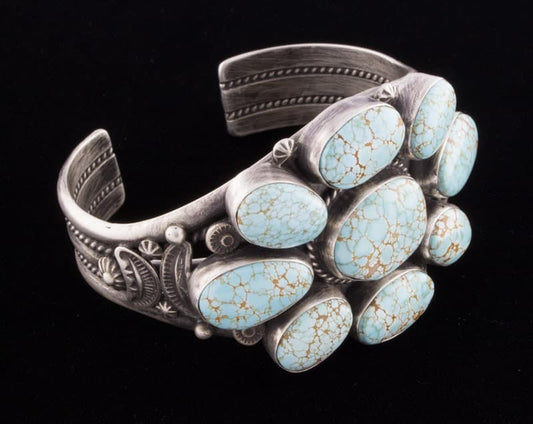
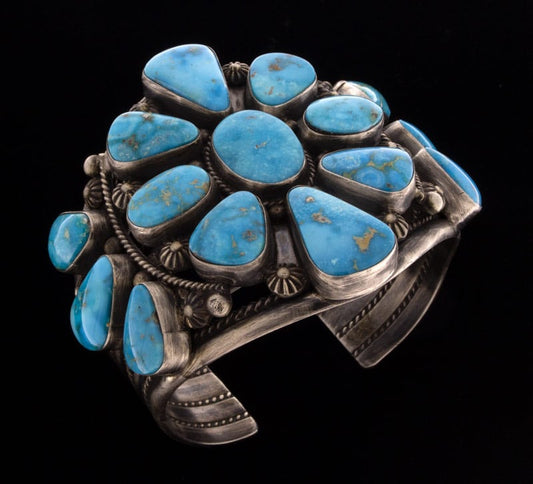
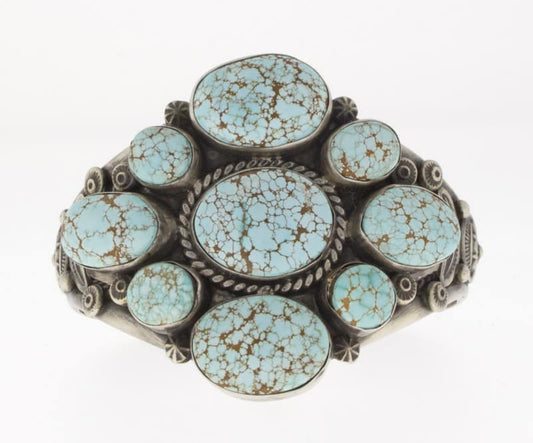
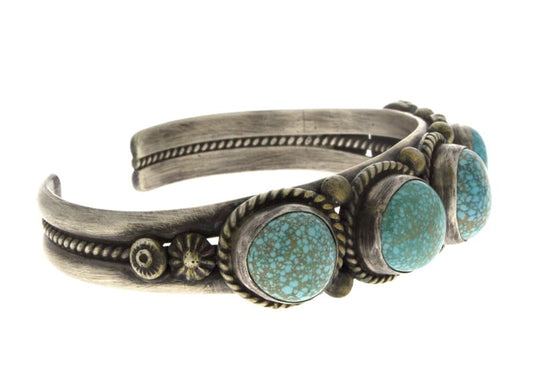
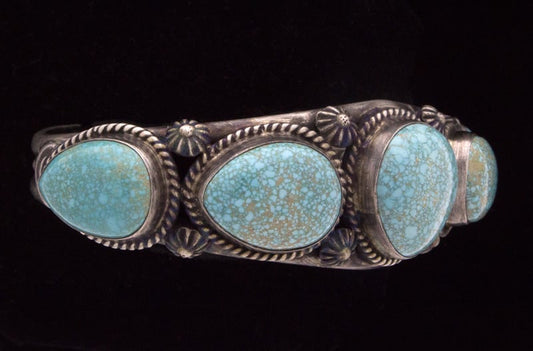
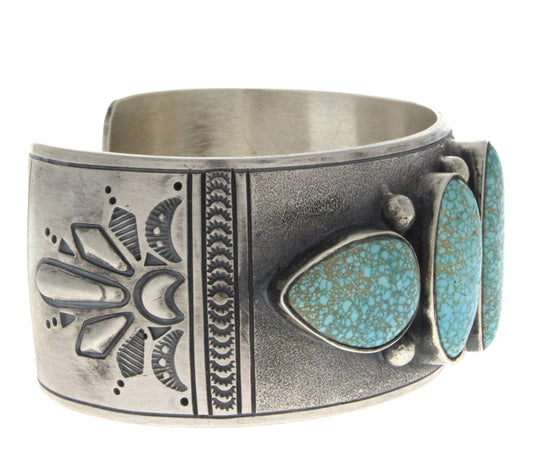
Bracelet en cluster de turquoise naturelle de haute qualité #8
ELLA M. LINKINPrix régulier $2,215.00Prix régulierPrix unitaire Pour -
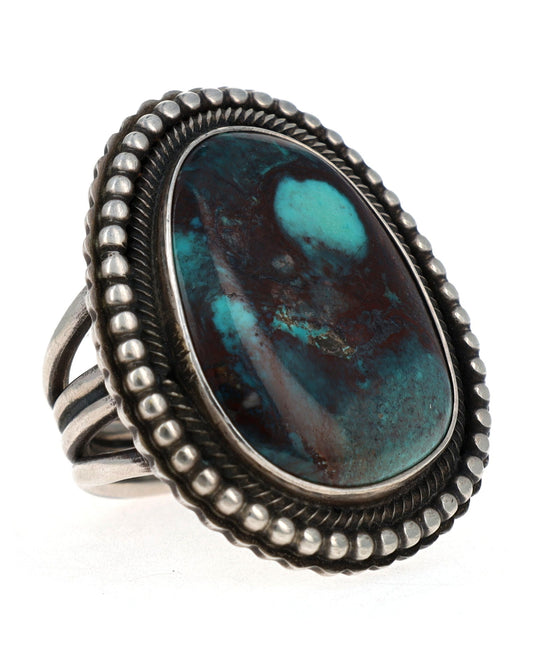
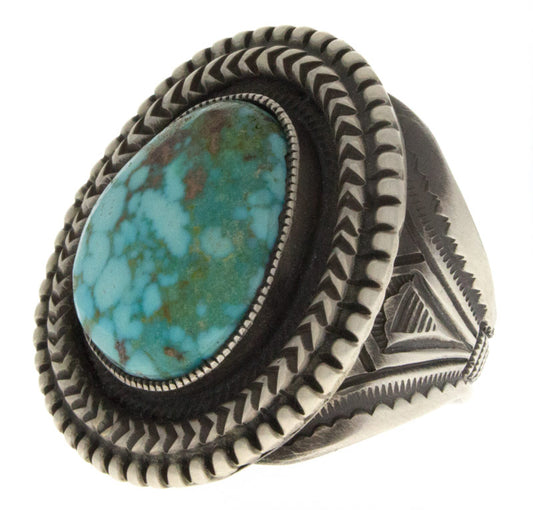
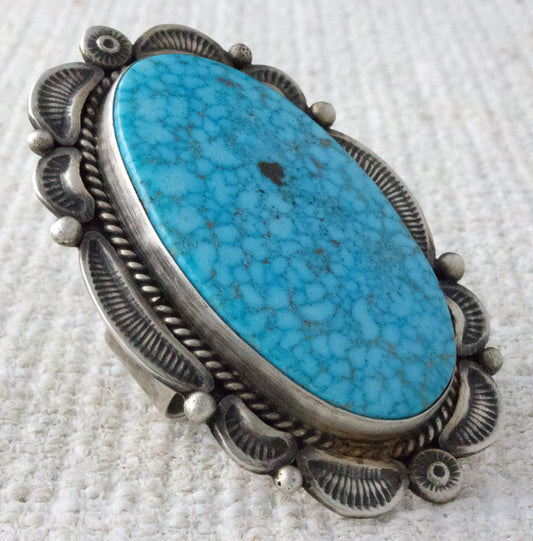
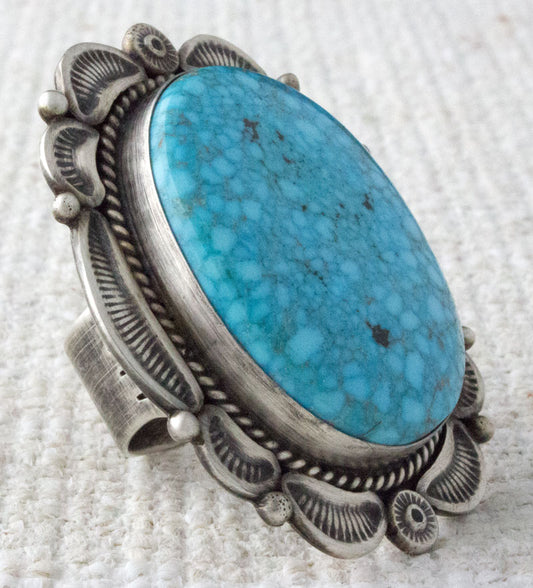
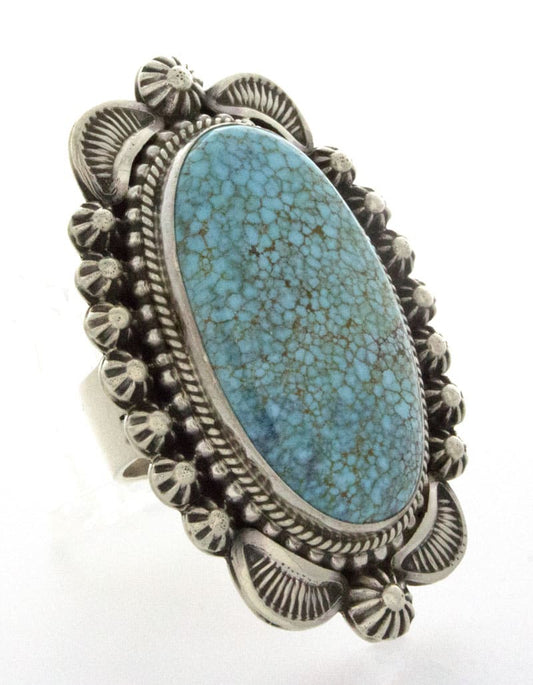
Bague imposante en turquoise naturelle de Bisbee
TOMMY JACKSONPrix régulier $1,459.00Prix régulierPrix unitaire Pour -
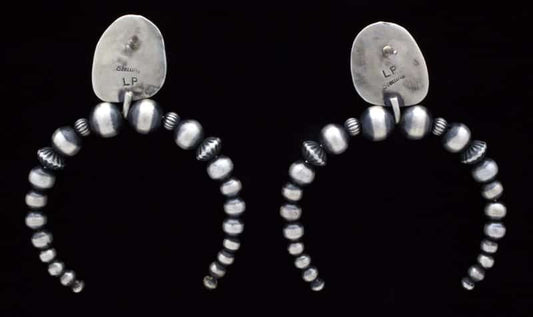
Boucles d'oreilles en argent sterling style Naja avec turquoise Kingman
LYLE PIASOPrix régulier $465.00Prix régulierPrix unitaire Pour -
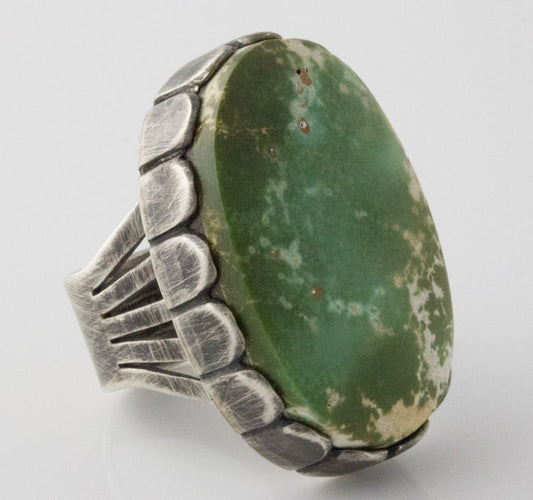
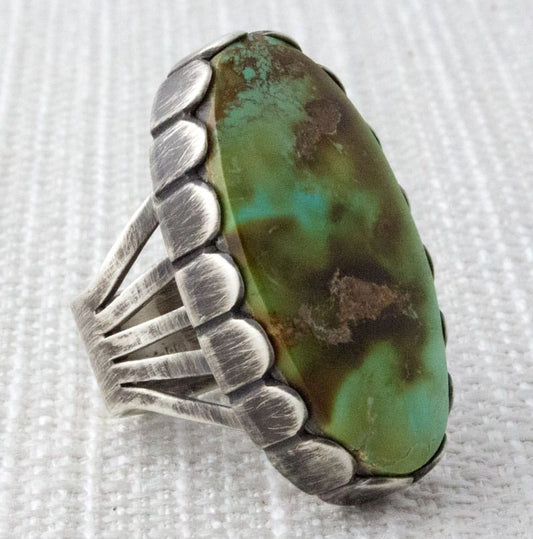
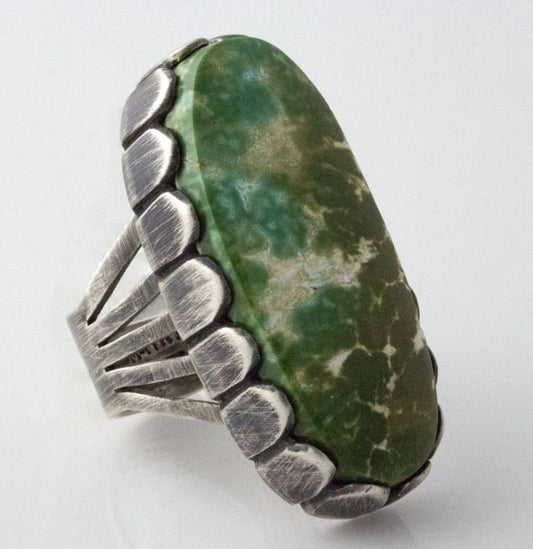
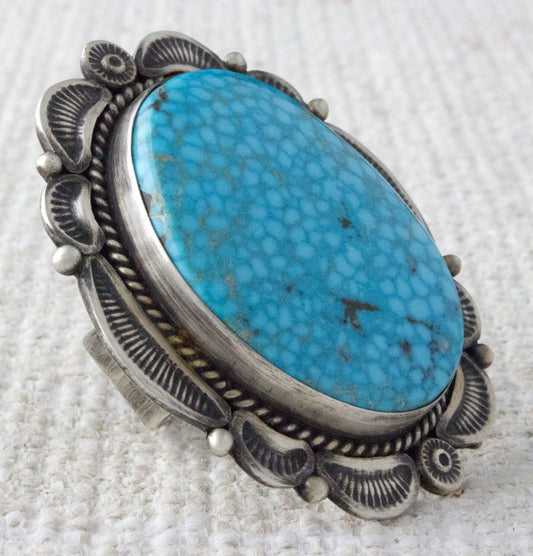
Bague en turquoise naturelle de haute qualité de Pilot Mountain
ELLA M. LINKINPrix régulier $755.00Prix régulierPrix unitaire Pour -
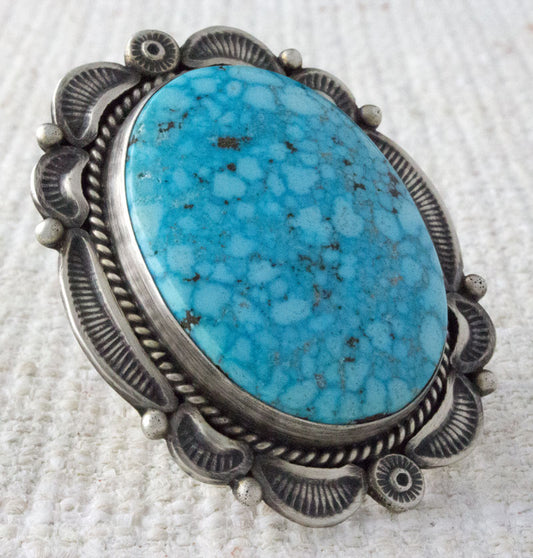
Bague en turquoise naturelle de haute qualité de Pilot Mountain
ELLA M. LINKINPrix régulier $755.00Prix régulierPrix unitaire Pour -
Bague en turquoise de Pilot Mountain de haute qualité
ELLA M. LINKINPrix régulier $755.00Prix régulierPrix unitaire Pour -
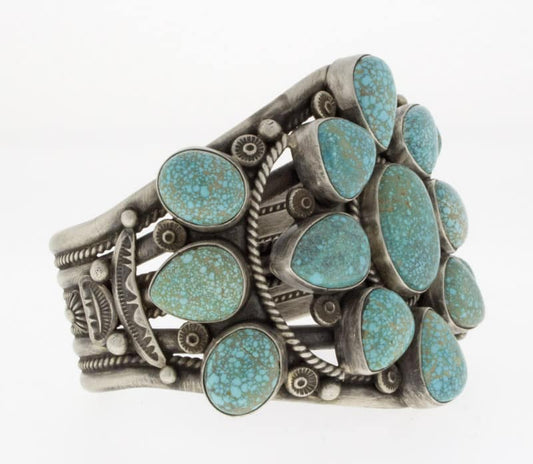
Bracelet en turquoise naturelle de haute qualité de Pilot Mountain
HARRY H. BEGAYPrix régulier $5,949.00Prix régulierPrix unitaire Pour -
Bracelet en rangée de 5 pierres en turquoise naturelle de haute qualité de Pilot Mountain
LUCINDA LINKINPrix régulier $3,649.00Prix régulierPrix unitaire Pour -
Bracelet en turquoise de Pilot Mountain de haute qualité naturelle
HARRY H. BEGAYPrix régulier $5,949.00Prix régulierPrix unitaire Pour -
Bracelet en turquoise Kingman naturel de haute qualité
VERDY JAKEPrix régulier $2,325.00Prix régulierPrix unitaire Pour -
Collier en turquoise Kingman naturel de haute qualité avec boucles d'oreilles assorties
JACK TOMPrix régulier $2,005.00Prix régulierPrix unitaire Pour -
Pendentif en turquoise Kingman naturel de haute qualité
CURTIS PETEPrix régulier $2,475.00Prix régulierPrix unitaire Pour -
Bracelet en rangée de 5 pierres en turquoise Water Web Kingman naturel de haute qualité
LUCINDA LINKINPrix régulier $2,925.00Prix régulierPrix unitaire Pour -
Bracelet en rangée de 3 pierres en turquoise naturelle Kingman Water Web de haute qualité
ELLA M. LINKINPrix régulier $3,995.00Prix régulierPrix unitaire Pour -
Pendentif en turquoise naturelle de haute qualité Kingman avec incrustation de corail
VERNON HASKIEPrix régulier $2,549.00Prix régulierPrix unitaire Pour -
Pendentif en turquoise naturelle de haute qualité de Kingman avec incrustation de corail
VERNON HASKIEPrix régulier $2,935.00Prix régulierPrix unitaire Pour -
Bracelet en Inlay de Turquoise de Montagne Nuageuse de Haute Qualité
JULIUS BURBANKPrix régulier $1,675.00Prix régulierPrix unitaire Pour -
Bracelet en rangée de 3 pierres en turquoise Candelaria naturelle de haute qualité
ELLA M. LINKINPrix régulier $3,225.00Prix régulierPrix unitaire Pour -
Bracelet en cluster de turquoise bleue naturelle de haute qualité Blue Ridge
ELLA M. LINKINPrix régulier $2,995.00Prix régulierPrix unitaire Pour -
Pendentif en inlay de turquoise Kingman noire naturelle de haute qualité et de corail
VERNON HASKIEPrix régulier $4,125.00Prix régulierPrix unitaire Pour -
Pendentif Tortue en Incrustation de Turquoise Kingman Noire Naturelle de Haute Qualité et de Corail
VERNON HASKIEPrix régulier $2,365.00Prix régulierPrix unitaire Pour -
Bracelet en rangée de 3 pierres en turquoise Kingman noire naturelle de haute qualité
AARON TOADLENAPrix régulier $2,985.00Prix régulierPrix unitaire Pour -
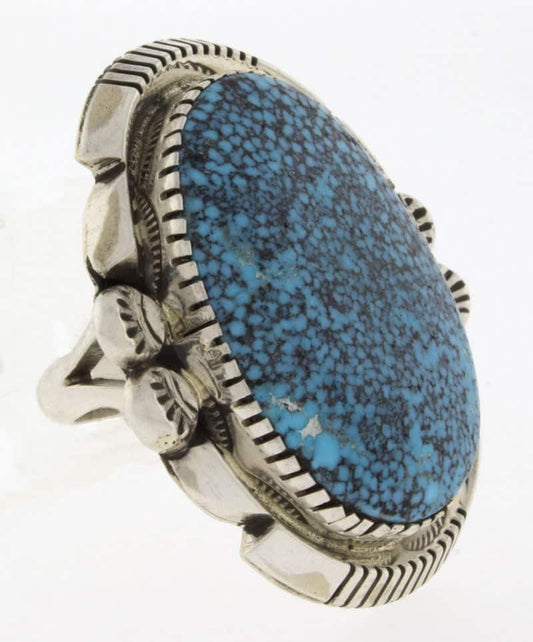
Bague en turquoise Kingman Birdseye naturel de haute qualité
ELLA M. LINKINPrix régulier $945.00Prix régulierPrix unitaire Pour -
Bague en turquoise Kingman Birdseye naturel de haute qualité
CALVIN MARTINEZPrix régulier $995.00Prix régulierPrix unitaire Pour -
Bague en turquoise Kingman Birdseye de haute qualité
JOELIUS DRAPERPrix régulier $595.00Prix régulierPrix unitaire Pour -
Bague en turquoise Kingman Birdseye de haute qualité
ELLA M. LINKINPrix régulier $945.00Prix régulierPrix unitaire Pour -
Bague en turquoise Kingman Birdseye de haute qualité
ELLA M. LINKINPrix régulier $945.00Prix régulierPrix unitaire Pour -
Pendentif 4 pierres en turquoise Kingman Birdseye naturel de haute qualité
ELLA M. LINKIPrix régulier $1,115.00Prix régulierPrix unitaire Pour -
Bague en turquoise Kingman Birdseye de haute qualité
ELLA M. LINKINPrix régulier $945.00Prix régulierPrix unitaire Pour -
Bracelet en rangée de 3 pierres en turquoise Kingman Birdseye naturel de haute qualité
ELLA M. LINKINPrix régulier $4,400.00Prix régulierPrix unitaire Pour -
Pendentif en Inlay de Turquoise Kingman et Corail de Haute Qualité
VERNON HASKIEPrix régulier $2,925.00Prix régulierPrix unitaire Pour -
Pendentif double empilé en turquoise naturelle de grade supérieur #8
ELLA M. LINKINPrix régulier $3,639.00Prix régulierPrix unitaire Pour -
Bracelet en cluster de turquoise naturelle de haute qualité #8
ELLA M. LINKINPrix régulier $4,750.00Prix régulierPrix unitaire Pour -
Bracelet en cluster de turquoise naturelle de haute qualité #8
ELLA M. LINKINPrix régulier $2,145.00Prix régulierPrix unitaire Pour -
Bracelet en cluster de turquoise naturelle de haute qualité #8
ELLA M. LINKINPrix régulier $7,375.00Prix régulierPrix unitaire Pour -
Bague en turquoise micro-web naturelle de haute qualité #8
LUCINDA LINKINPrix régulier $1,665.00Prix régulierPrix unitaire Pour -
Pendentif en turquoise micro-web naturel de haute qualité #8 à 9 pierres
ELLA M. LINKINPrix régulier $4,425.00Prix régulierPrix unitaire Pour -
Bracelet en rangée de 5 pierres en turquoise micro-web naturelle de haute qualité #8
ELLA M. LINKINPrix régulier $1,895.00Prix régulierPrix unitaire Pour -
Bracelet en rangée de 5 pierres en turquoise micro-web naturelle de haute qualité #8
ELLA M. LINKINPrix régulier $3,675.00Prix régulierPrix unitaire Pour -
Bracelet en rangée de 5 pierres en turquoise micro-web naturelle de haute qualité #8
CHARLIE JOHNPrix régulier $2,939.00Prix régulierPrix unitaire Pour